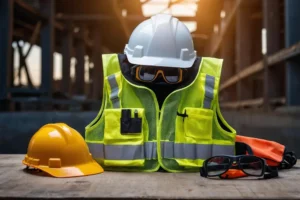
In industrial environments, safety is not a secondary consideration—it is a core operational requirement. Personal Protective Equipment (PPE) serves as the final barrier between workers and workplace hazards that cannot be eliminated through engineering or administrative controls. While often viewed as a basic compliance requirement, PPE plays a far more critical role in reducing risk exposure, maintaining productivity, and ensuring long-term workforce sustainability.
Understanding the strategic importance of PPE requires looking beyond basic usage and examining how it integrates into industrial safety systems, risk management, and operational efficiency.
PPE as the Last Line of Defense
In the hierarchy of hazard control, PPE is considered the last line of defense after elimination, substitution, engineering controls, and administrative measures. This does not reduce its importance—rather, it highlights its role in situations where hazards cannot be fully controlled.
Industrial environments involve exposure to mechanical risks, chemical hazards, electrical dangers, and environmental factors such as noise and temperature. PPE ensures that even when systems fail or unexpected situations arise, workers remain protected.
Risk Mitigation and Hazard Exposure
Different industries present different types of risks. Construction sites involve falling objects and impact hazards, manufacturing plants deal with moving machinery, while chemical industries expose workers to hazardous substances.
PPE is designed to mitigate these risks by providing targeted protection:
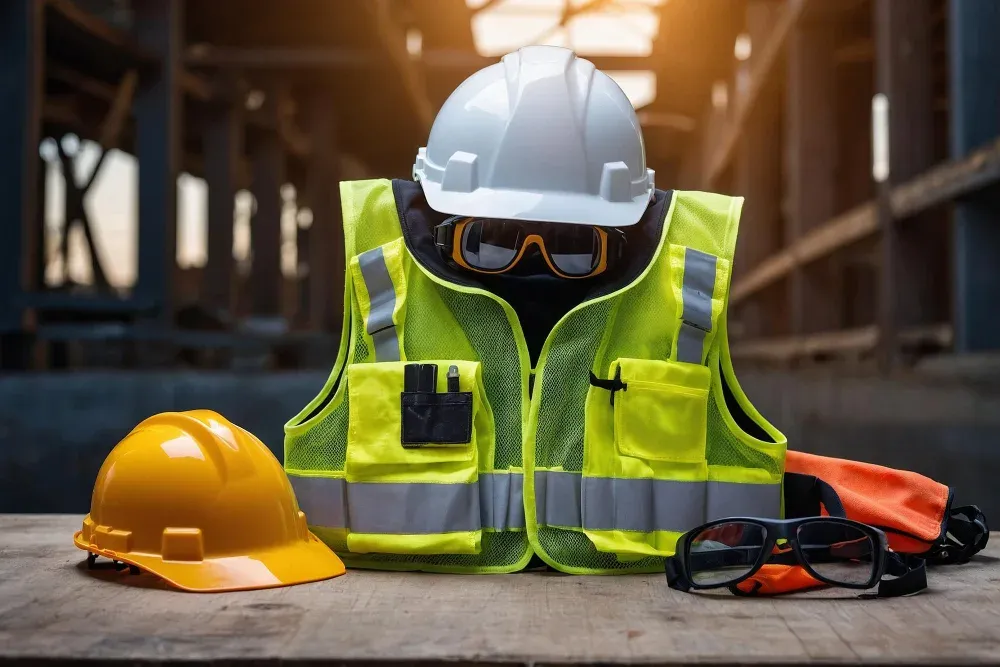
- Helmets protect against impact and falling debris
- Gloves prevent cuts, burns, and chemical exposure
- Safety shoes protect against heavy loads and sharp objects
- Goggles and face shields protect eyes from particles and splashes
- Respirators protect against harmful dust and gases
The effectiveness of PPE lies in matching the right equipment to the specific hazard.
Impact on Productivity and Operational Continuity
Workplace injuries do not only affect individuals—they disrupt operations, reduce productivity, and increase costs. Downtime caused by accidents can impact entire production lines, leading to delays and financial losses.
Consistent use of PPE reduces the likelihood of accidents, ensuring uninterrupted operations. Workers who feel safe are also more confident and efficient, contributing to overall productivity.
From a business perspective, PPE is not an expense—it is an investment in operational stability.
Compliance and Regulatory Requirements
Industrial safety is governed by strict regulations and standards. Organizations are required to provide appropriate PPE and ensure its proper usage. Non-compliance can result in penalties, legal liabilities, and reputational damage.
Standards such as IS, ANSI, and EN define performance requirements for different types of PPE. Using certified equipment ensures that protection levels meet regulatory expectations.
Compliance also demonstrates a company’s commitment to worker safety, which is increasingly important in modern industrial environments.
Human Factors and Behavioral Safety
One of the biggest challenges in PPE implementation is human behavior. Even the best safety equipment is ineffective if not used correctly or consistently.
Comfort, ergonomics, and ease of use play a crucial role in ensuring compliance. Workers are more likely to use PPE that fits well, is lightweight, and does not restrict movement.
Training and awareness are equally important. Workers must understand not only how to use PPE, but why it is essential. This shifts safety from a rule-based system to a culture-driven approach.
Material Innovation and Performance Advancements
Modern PPE has evolved significantly due to advancements in material science. High-performance polymers, composites, and smart materials have improved durability, comfort, and protective capabilities.
For example:
- Impact-resistant polymers enhance helmet performance
- Cut-resistant fibers improve glove durability
- Breathable materials improve comfort in protective clothing
These innovations ensure that PPE does not compromise productivity while providing maximum protection.
Industry-Specific PPE Requirements
Different industries require specialized PPE based on their risk profiles:
- Construction – helmets, safety shoes, high-visibility clothing
- Manufacturing – gloves, eye protection, hearing protection
- Chemical industries – respirators, chemical-resistant suits
- Electrical work – insulated gloves, arc-rated PPE
Selecting industry-specific PPE ensures targeted protection and reduces unnecessary equipment usage.
Maintenance and Lifecycle Management
PPE is not a one-time investment. Its effectiveness depends on proper maintenance, inspection, and timely replacement.
Damaged or worn-out PPE can provide a false sense of security, increasing risk instead of reducing it. Regular checks for wear, cracks, or degradation are essential to maintain performance.
Organizations must implement lifecycle management practices to ensure that PPE remains effective throughout its usage period.
Cost vs Risk Perspective
A common mistake in industrial environments is evaluating PPE purely based on cost. Low-quality equipment may reduce initial expenses but increases long-term risks and costs due to accidents, replacements, and downtime.
High-quality PPE offers better durability, comfort, and protection, making it more cost-effective over time. The real cost of inadequate PPE is not measured in price—it is measured in risk exposure.
Integration with Safety Systems
PPE should not be viewed in isolation. It is part of a broader safety system that includes risk assessment, training, monitoring, and continuous improvement.
Integrating PPE with safety protocols ensures that it complements other control measures, creating a comprehensive safety framework. This approach reduces dependency on any single control method and improves overall risk management.
Avenue Traders – Supporting Industrial Safety Needs
Avenue Traders supplies a wide range of safety equipment including helmets, gloves, shoes, goggles, and other PPE products suitable for industrial applications. With a focus on quality and practical requirements, Avenue Traders supports businesses in maintaining safe and compliant workplaces.
By ensuring consistent availability of reliable safety equipment, Avenue Traders helps industries reduce risks and improve operational efficiency.
Conclusion
Personal Protective Equipment is a critical component of industrial safety, bridging the gap between hazard exposure and worker protection. Its importance extends beyond compliance—it directly impacts productivity, workforce confidence, and operational continuity.
By selecting the right PPE, ensuring proper usage, and integrating it into a comprehensive safety system, businesses can create safer work environments and achieve sustainable industrial growth.