Industrial tools and equipment form the backbone of any manufacturing operation. From small workshops to large-scale production units, the right tools ensure efficiency, accuracy, safety, and consistent output. Choosing the correct tools is not just about functionality—it directly impacts productivity, cost control, and long-term operational success.
This guide explains the key types of industrial tools and equipment, their applications, and important factors to consider when selecting them for manufacturing businesses.
Understanding Industrial Tools & Equipment
Industrial tools and equipment refer to a wide range of devices used in manufacturing, fabrication, assembly, maintenance, and repair processes. These tools help perform tasks such as cutting, shaping, measuring, fastening, and handling materials.
They can be broadly categorized into hand tools, power tools, cutting tools, measuring instruments, and specialized industrial equipment. Each category plays a specific role in ensuring smooth production workflows.
Hand Tools in Manufacturing
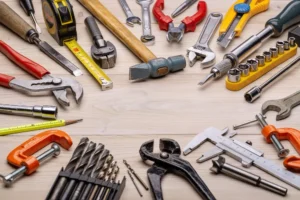
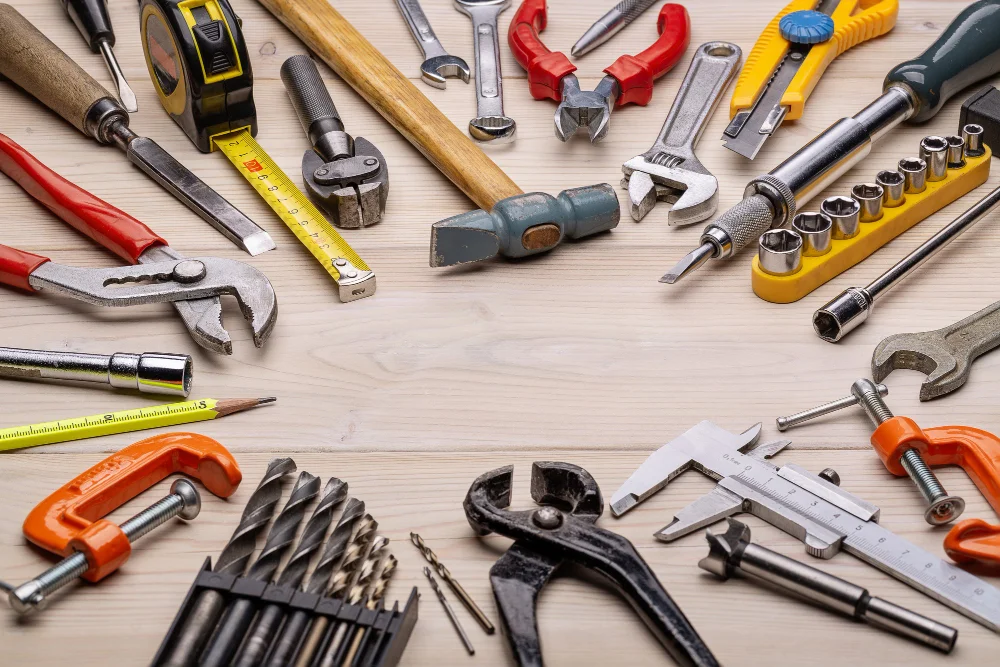
Hand tools are essential for manual operations and precision tasks. They are widely used in assembly, maintenance, and repair work. Common hand tools include spanners, screwdrivers, pliers, hammers, and wrenches.
These tools are preferred for tasks that require control and accuracy. High-quality hand tools ensure durability, reduce user fatigue, and improve efficiency in day-to-day operations.
Power Tools for Productivity
Power tools are electrically or pneumatically operated tools designed to increase speed and reduce manual effort. They are commonly used in drilling, cutting, grinding, and fastening applications.
Examples include electric drilling machines, angle grinders, and industrial tool kits. Power tools improve productivity by enabling faster operations and consistent performance, especially in repetitive tasks.
Cutting Tools for Precision Machining
Cutting tools are used to remove material from a workpiece to achieve desired shapes and dimensions. They are critical in machining and fabrication processes.
Common cutting tools include drill bits, end mills, and taps & dies. The quality and sharpness of cutting tools directly affect surface finish, accuracy, and tool life. Selecting the right cutting tool based on material type and application is essential for optimal results.
Measuring Instruments for Accuracy
Precision measurement is crucial in manufacturing to ensure product quality and consistency. Measuring instruments help verify dimensions, tolerances, and alignment.
Tools such as vernier calipers, micrometers, and dial gauges are widely used for accurate measurements. Proper calibration and handling of these instruments are important to maintain reliability and prevent errors.
Fastening Tools and Equipment
Fastening tools are used to assemble components securely. These include tools for working with bolts, nuts, washers, and anchor fasteners.
Proper fastening ensures structural integrity and prevents loosening under vibration or load. Choosing the right fastening tools and components is critical for safety and durability in industrial applications.
Abrasives and Finishing Tools
Abrasives are used for surface preparation, finishing, and polishing. They help remove rough edges, smooth surfaces, and improve the final appearance of products.
Sandpaper, grinding wheels, and polishing materials are commonly used in manufacturing processes. High-quality abrasives ensure consistent finishing and reduce rework.
Pneumatic and Hydraulic Equipment
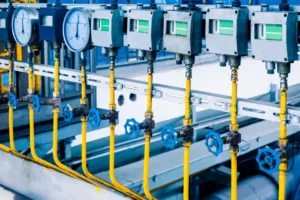
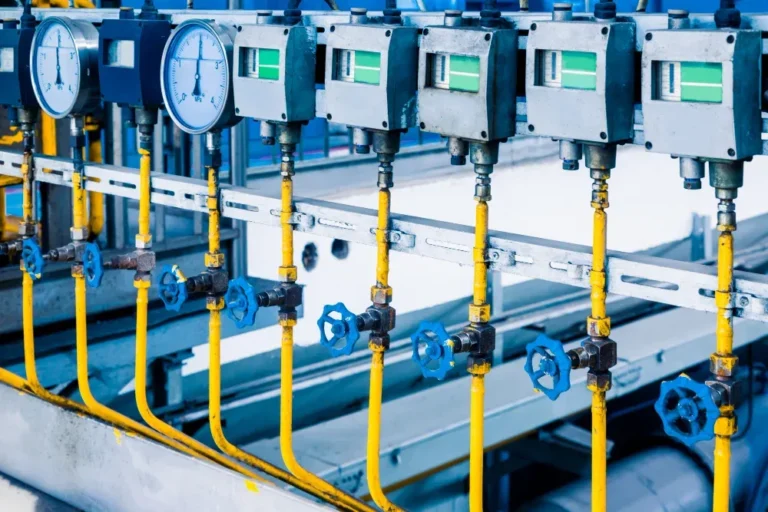
Pneumatic and hydraulic tools are used in applications requiring high force and precision. Pneumatic systems use compressed air, while hydraulic systems use fluid pressure to perform tasks.
These systems are commonly used in automation, material handling, and heavy-duty operations. They offer efficiency, reliability, and the ability to handle high loads with ease.
Material Handling Equipment
Material handling equipment is essential for moving, storing, and transporting materials within manufacturing facilities. Equipment such as industrial trolleys and castor wheels improve workflow and reduce manual effort.
Efficient material handling enhances productivity, reduces handling time, and improves workplace safety.
Electrical and Control Equipment
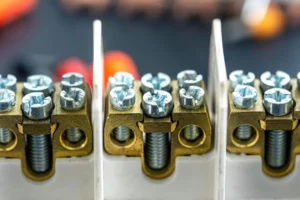
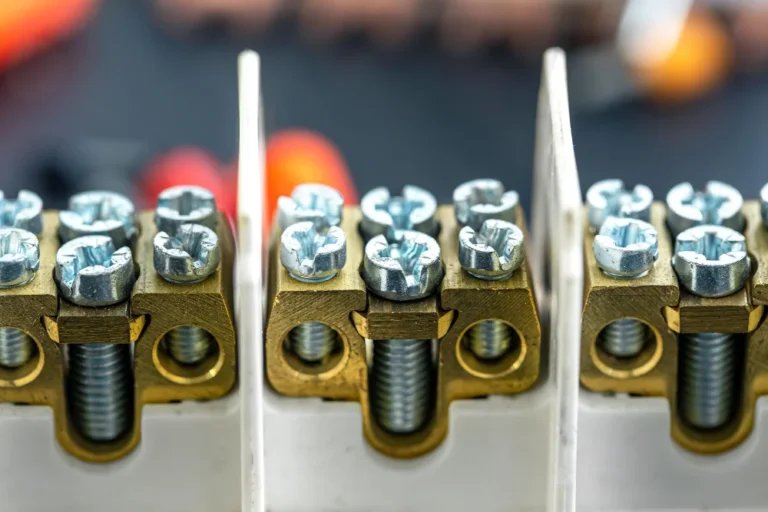
Electrical tools and equipment play a vital role in powering and controlling industrial operations. This includes cables, switchgear, and control systems.
Reliable electrical systems ensure uninterrupted power supply and safe operation of machinery, making them critical for manufacturing environments.
Safety Equipment in Manufacturing
Safety equipment is an integral part of industrial operations. Personal protective equipment (PPE) such as helmets, gloves, safety shoes, and goggles protect workers from hazards.
Using proper safety equipment reduces the risk of accidents and ensures compliance with workplace safety standards.
Factors to Consider When Choosing Industrial Tools
Selecting the right tools and equipment requires careful evaluation of several factors:
- Application requirements and type of work
- Material compatibility
- Durability and build quality
- Ease of use and ergonomics
- Maintenance requirements
- Availability of spare parts and support
Choosing the right tools not only improves performance but also reduces downtime and operational costs.
Importance of Quality and Reliability
Investing in high-quality industrial tools ensures consistent performance and long-term reliability. Low-quality tools may lead to frequent breakdowns, poor output, and increased maintenance costs.
Reliable tools improve efficiency, reduce errors, and contribute to better overall productivity in manufacturing operations.
Maintenance and Tool Management
Regular maintenance is essential to ensure the longevity and performance of industrial tools. Proper storage, cleaning, and timely replacement of worn-out tools help maintain efficiency.
Implementing tool management systems can further improve organization, reduce losses, and ensure availability when needed.
Role of a Trusted Industrial Supplier
Working with a reliable supplier is crucial for ensuring consistent availability of quality tools and equipment. A trusted supplier provides access to a wide range of products, helping businesses source everything they need from a single point.
Avenue Traders is a dependable industrial tools and equipment supplier, offering a comprehensive range of products for manufacturing businesses. With a focus on quality, availability, and practical solutions, Avenue Traders supports industries in maintaining efficient and reliable operations.
Conclusion
Industrial tools and equipment are essential for the success of manufacturing businesses. From hand tools to advanced machinery, each component plays a vital role in ensuring efficiency, accuracy, and safety.
By understanding different types of tools and selecting the right ones based on application needs, businesses can improve productivity, reduce costs, and achieve better operational outcomes. Partnering with a reliable supplier further ensures smooth procurement and long-term success in industrial operations.